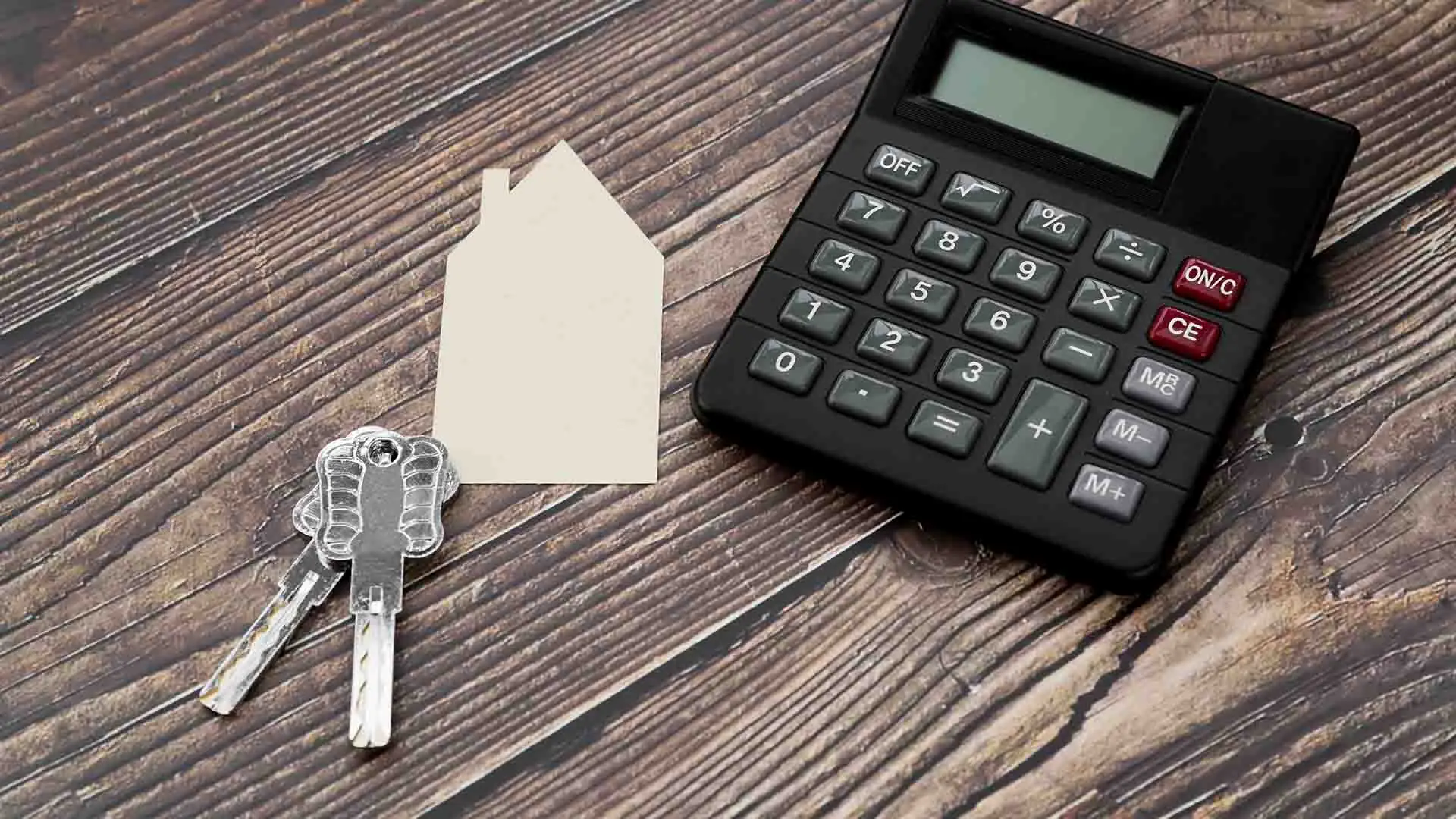
For most first-time buyers, the biggest hurdle to overcome is saving a large enough deposit. In today’s property market, even a 5% or 10% deposit can amount to a significant sum of money. The task can feel overwhelming, but with a clear strategy and a disciplined approach, it is absolutely achievable.
This guide provides seven practical, actionable tips to help you build your deposit fund faster and turn your dream of homeownership into a reality.
1. Create a Detailed, Realistic Budget
You cannot save effectively if you don’t know where your money is going. The first step is to create a detailed budget. This isn’t about restricting yourself; it’s about empowering yourself with knowledge.
- Track Your Spending: For one month, track every single penny you spend. Use a spreadsheet or a budgeting app to categorise your outgoings (e.g., rent, bills, groceries, transport, entertainment, subscriptions).
- Identify ‘Saving Sinks’: At the end of the month, analyse your spending. You will likely be surprised by how much is going on non-essential items like daily coffees, lunches out, and unused subscriptions. These are your ‘saving sinks’.
- Set a Savings Goal: Once you know where your money is going, you can set a realistic monthly savings goal. Be ambitious but not so restrictive that you are likely to fail.
2. Automate Your Savings
One of the most effective saving strategies is to “pay yourself first.” Don’t wait until the end of the month to see what’s left over. Set up a standing order to automatically transfer your savings goal from your current account to a dedicated savings account on the day you get paid. By treating your savings like any other essential bill, you remove the temptation to spend the money.
3. Choose the Right Savings Account
Don’t let your hard-earned deposit sit in a low-interest current account. Make your money work for you.
- Lifetime ISA (LISA): If you are aged between 18 and 39, a LISA is a fantastic option. You can save up to £4,000 per year, and the government will add a 25% bonus on top (up to £1,000 per year). This is essentially free money towards your first home.
- High-Interest Savings Accounts: If a LISA isn’t right for you, look for easy-access or fixed-rate savings accounts that offer the best possible interest rates.
4. The ‘Round-Up’ Method
Many modern banking apps offer a ’round-up’ feature. Every time you make a purchase with your debit card, the app will round the transaction up to the nearest pound and automatically transfer the difference into your savings account. A £2.70 coffee becomes a £3 transaction, with 30p going straight into your savings. It might seem small, but these amounts add up surprisingly quickly over the course of a year.
5. Review and Reduce Your Major Bills
While cutting back on small luxuries helps, making savings on your big monthly bills can have a much larger impact.
- Energy and Broadband: Don’t just auto-renew. Use comparison websites to see if you can get a better deal on your gas, electricity, and broadband.
- Mobile Phone: When your contract is up, consider switching to a cheaper SIM-only deal instead of automatically upgrading your handset.
- Insurance: Shop around for car, home, and pet insurance every year. Loyalty rarely pays.
6. Embrace the ‘No Spend’ Challenge
Challenge yourself to a ‘no spend’ weekend or even a ‘no spend’ week once a month. This means only spending money on absolute essentials, like travel to work. It’s a great way to reset your spending habits and give your savings a significant boost.
7. Generate Extra Income
Look for ways to increase your income, with all the extra money going directly into your deposit fund. This could include:
- Selling Unwanted Items: Use platforms like eBay, Vinted, or Facebook Marketplace to declutter your home and make some extra cash.
- Taking on a Side Hustle: Could you do some freelancing in the evenings, some tutoring, or some part-time work in a local pub or restaurant?
- Cashback Websites: Sign up for cashback websites and use them for any online shopping you have to do.
Saving for a deposit requires dedication and discipline, but by implementing these strategies, you can accelerate your progress and get the keys to your first home sooner than you think. Every small saving and every extra pound earned is a step closer to your goal.